


Onkar Pathology Lab
Comprehensive Diagnostic Services
Health Check-ups
Diagnostic Services
Home Healthcare
Corporate Wellness
Hospital Lab Management
Industrial Bio Hazardous Customized Profile

Clinical Biochemistry
Clinical Biochemistry evaluates biochemical substances in blood and other biological samples to support assessment of metabolic processes and organ function.
Key Benefit:
Helps assess organ function, metabolism and overall health through biochemical analysis of blood and other specimens. Common tests include Liver Function Test (LFT), Kidney Function Test (KFT), Lipid Profile, blood glucose, HbA1c, serum electrolytes and calcium. These investigations support the evaluation and monitoring of diabetes, liver disorders, kidney conditions and metabolic abnormalities.
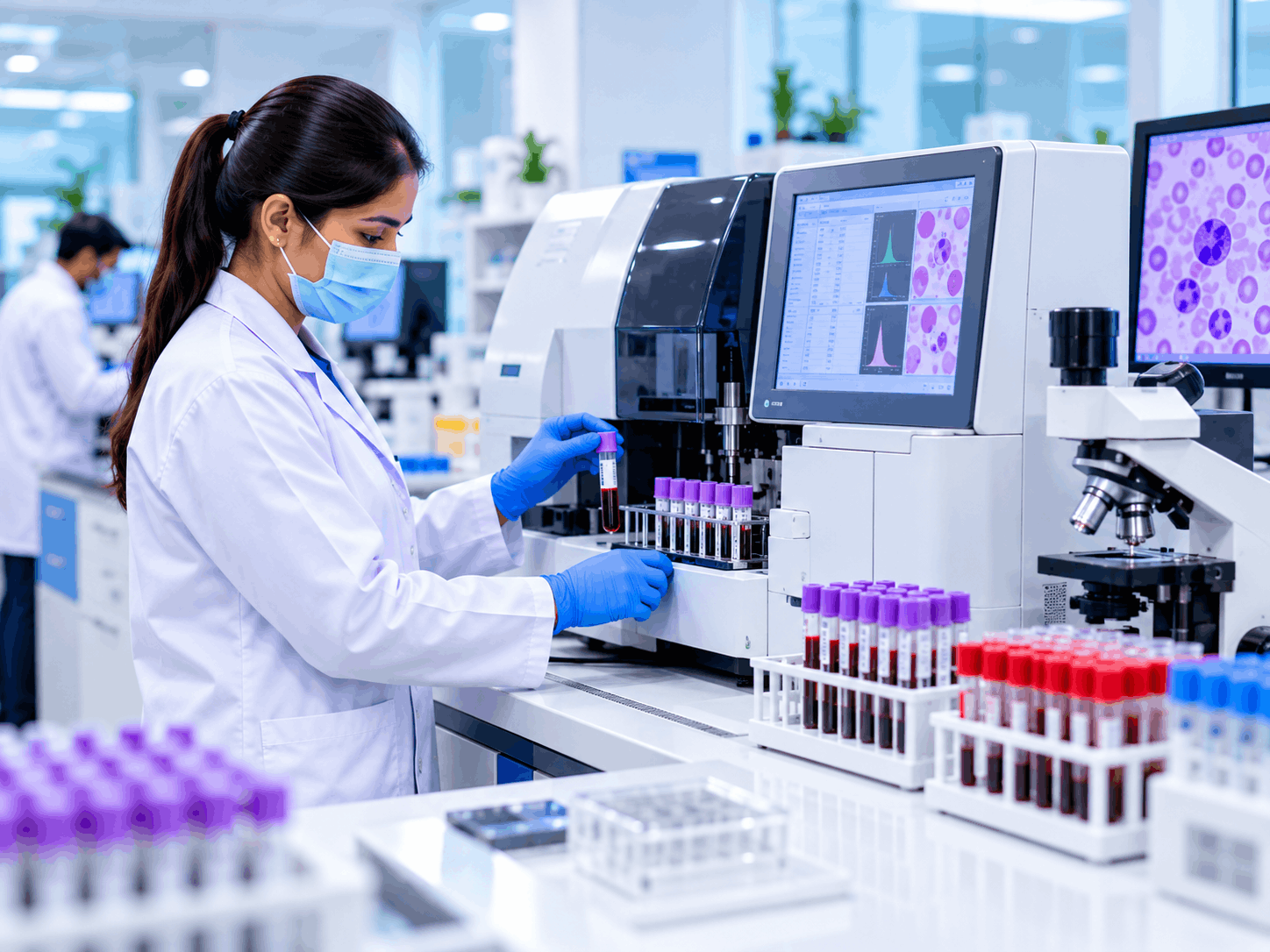
Haematology
Haematology focuses on the examination of blood cells and related parameters.
Key Benefit:
Supports the evaluation of blood disorders, anaemia, infections and clotting abnormalities through detailed blood analysis. Common investigations include Complete Blood Count (CBC), haemoglobin, ESR, peripheral blood smear, platelet count and coagulation tests such as PT/INR and aPTT. These tests help clinicians assess blood cell abnormalities and monitor relevant medical conditions.

Immunology & Serology
Immunology and serology involve laboratory investigations related to immune responses, antibodies and antigens.
Key Benefit:
Helps evaluate immune responses, detect selected antibodies and antigens, and support the investigation of infectious and autoimmune conditions. Common tests include CRP, Rheumatoid Factor (RF), ASO titre, HBsAg, anti-HCV and selected dengue serology tests. Test selection depends on the patient's symptoms, clinical history and suspected condition.

Clinical Pathology
Clinical pathology includes laboratory examination of body fluids and specimens such as blood and urine.
Key Benefit:
Provides valuable information through the examination of urine, body fluids and other clinical specimens. Common investigations include routine urine examination, urine microscopy, stool examination and selected fluid analyses. These tests support the evaluation of urinary tract infections, kidney-related abnormalities, digestive conditions and other clinical concerns when interpreted alongside clinical findings.

Microbiology
Microbiology focuses on identifying microorganisms associated with infections.
Key Benefit:
Helps identify microorganisms that may cause bacterial, fungal and other infections. Common investigations include urine culture, blood culture, sputum culture, wound swab culture and antibiotic susceptibility testing, where available. These tests support infection evaluation and help clinicians select appropriate treatment based on the identified organism and its antimicrobial susceptibility.
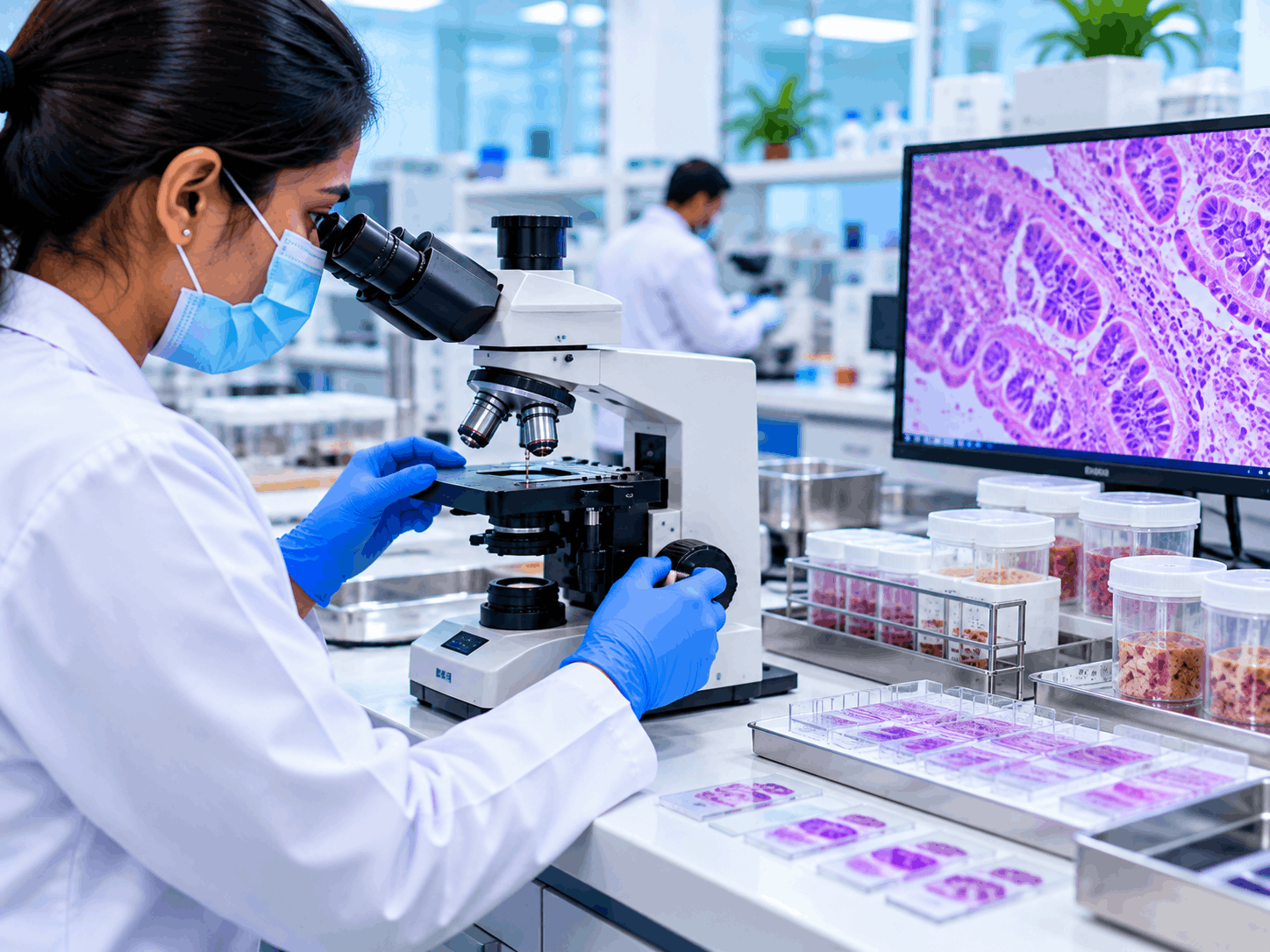
Histopathology
Histopathology involves microscopic examination of tissue specimens.
Key Benefit:
Examines tissue samples under a microscope to identify structural changes associated with diseases. Common investigations include biopsy examination, surgical tissue analysis and selected organ-specific biopsies. Histopathology plays an important role in evaluating inflammatory conditions, tissue abnormalities and suspected cancers, helping clinicians establish diagnoses and plan further management.
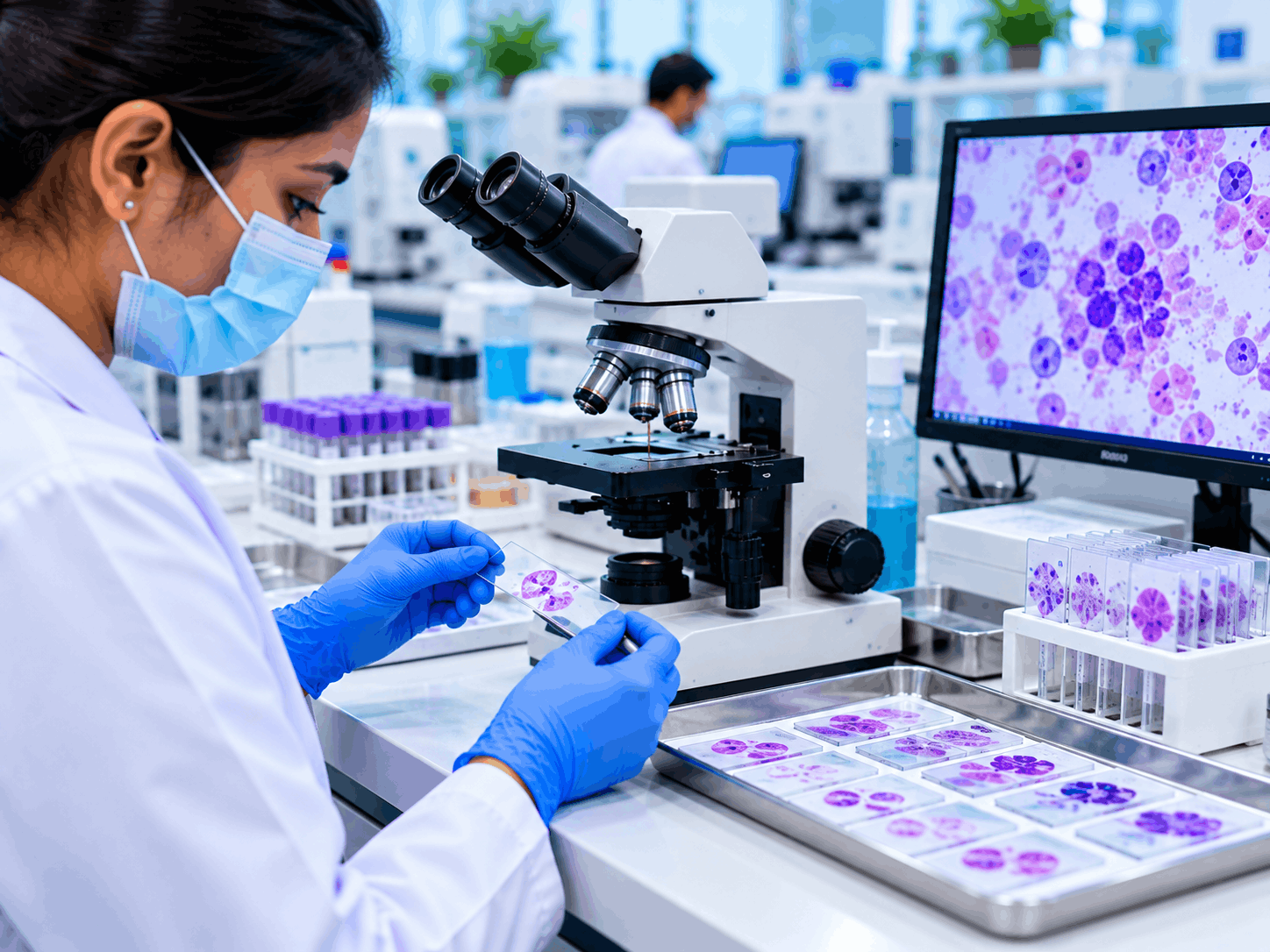
Cytopathology
Cytopathology examines individual cells or groups of cells for diagnostic evaluation.
Key Benefit:
Studies individual cells and cell groups to identify abnormal cellular changes. Common investigations include Fine Needle Aspiration Cytology (FNAC), cervical cytology and examination of selected body fluid samples. These tests can help evaluate lumps, swellings, inflammatory conditions and suspicious lesions, supporting decisions about further investigations or treatment.
Immunohistochemistry
Immunohistochemistry uses specific markers to identify proteins or cellular characteristics within tissue samples.
Key Benefit:
Uses specific antibodies to identify proteins and markers within tissue samples, providing additional information when routine histopathology requires further characterization. Common applications include selected tumour marker panels, breast cancer receptor testing such as ER, PR and HER2, and diagnostic marker panels for certain lymphomas and other tumours.

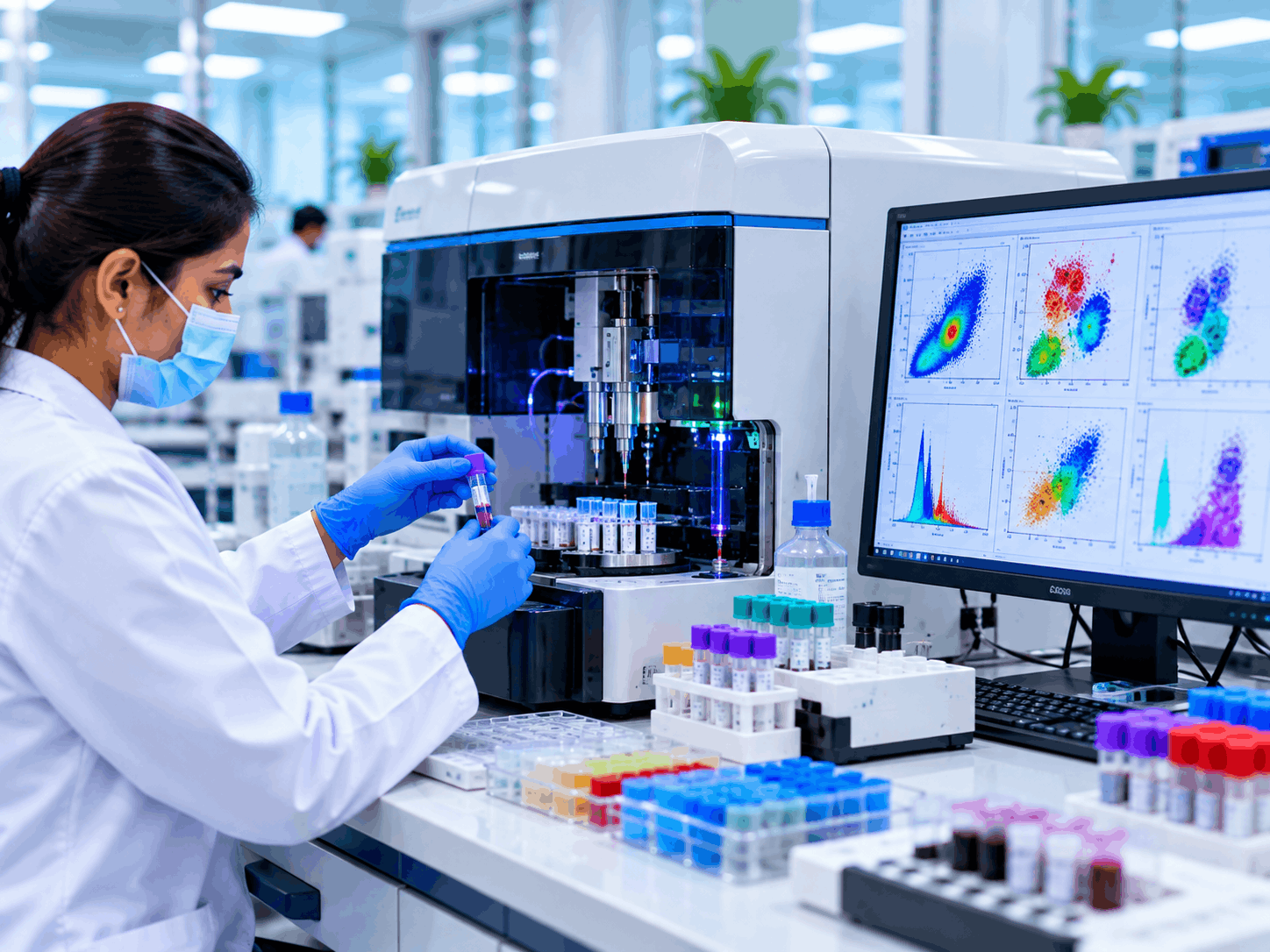
Flow Cytometry
Flow cytometry is an advanced laboratory technique used to analyze characteristics of cells within a sample.
Key Benefit:
Analyzes cellular characteristics using specialized instruments and fluorescent markers. It is commonly used for immunophenotyping in suspected leukaemia and lymphoma, evaluation of selected blood disorders and monitoring specific immune cell populations. Results provide detailed information about cell types and their characteristics to support diagnosis and clinical assessment.

HPLC
High-Performance Liquid Chromatography (HPLC) is an analytical technique used for separating and measuring components within biological samples.
Key Benefit:
Separates and measures components in biological samples with high analytical precision. Common clinical applications include HbA1c measurement for long-term blood glucose monitoring and haemoglobin variant analysis for selected haemoglobin disorders, depending on the laboratory's validated methods. HPLC can also support other specialized analyses when appropriate testing methods are available.

LC-MS
Liquid Chromatography–Mass Spectrometry (LC-MS) combines chromatographic separation with mass spectrometric analysis.
Key Benefit:
Combines liquid chromatography and mass spectrometry to identify and measure specific substances in biological samples. Depending on the validated test menu, applications may include vitamin D measurement, steroid hormone analysis, therapeutic drug monitoring and selected metabolic investigations. This technology supports sensitive and specific analysis for appropriate clinical requirements.
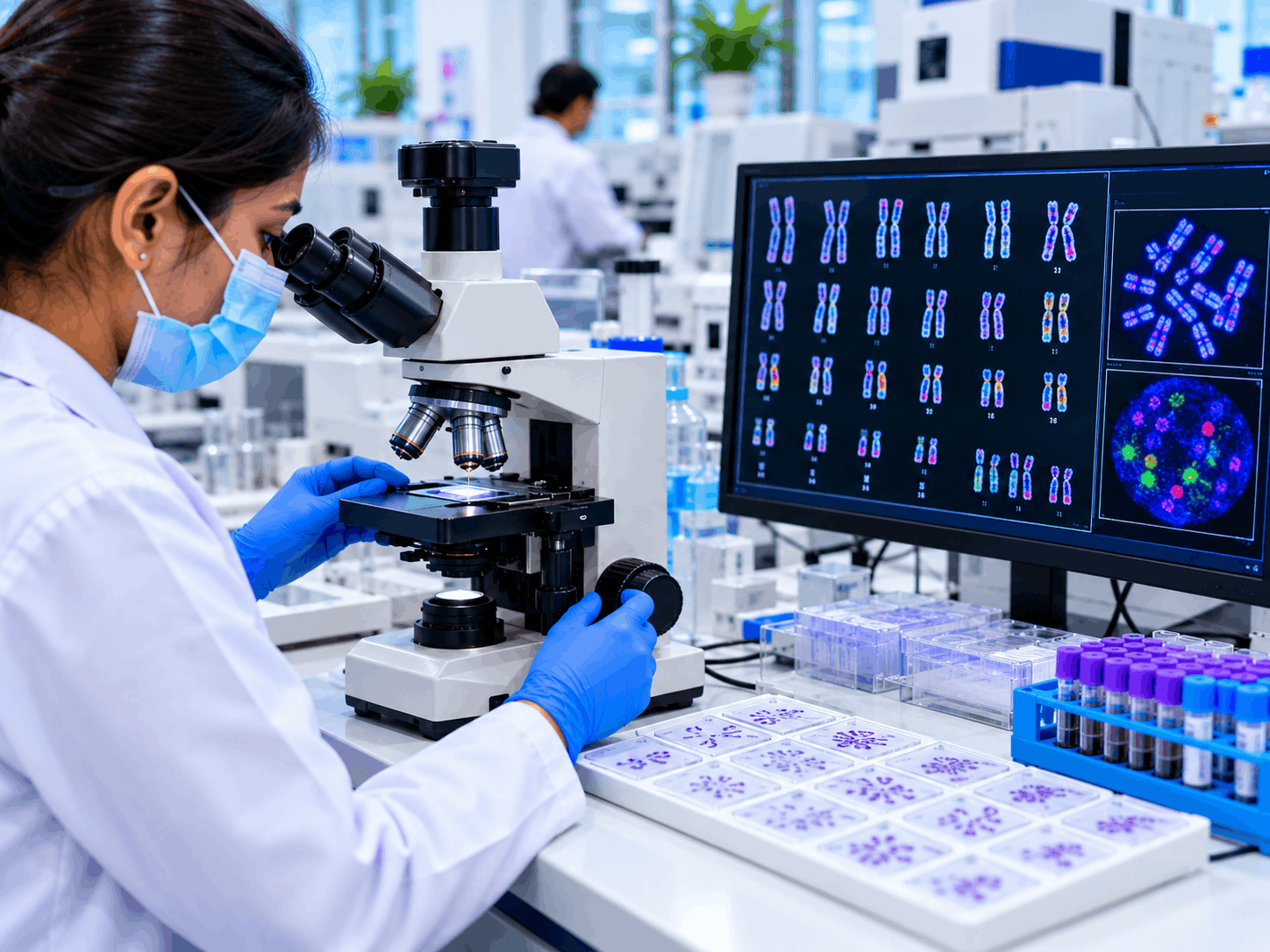
Cytogenetics
Cytogenetics focuses on the analysis of chromosomes and chromosomal characteristics.
Key Benefit:
Examines chromosomes to identify numerical and structural abnormalities that may be associated with inherited conditions, certain blood cancers or other diseases. Common investigations include conventional karyotyping, selected chromosome studies and fluorescence in situ hybridization (FISH), where available. Results can support genetic evaluation, diagnosis and clinical management decisions.
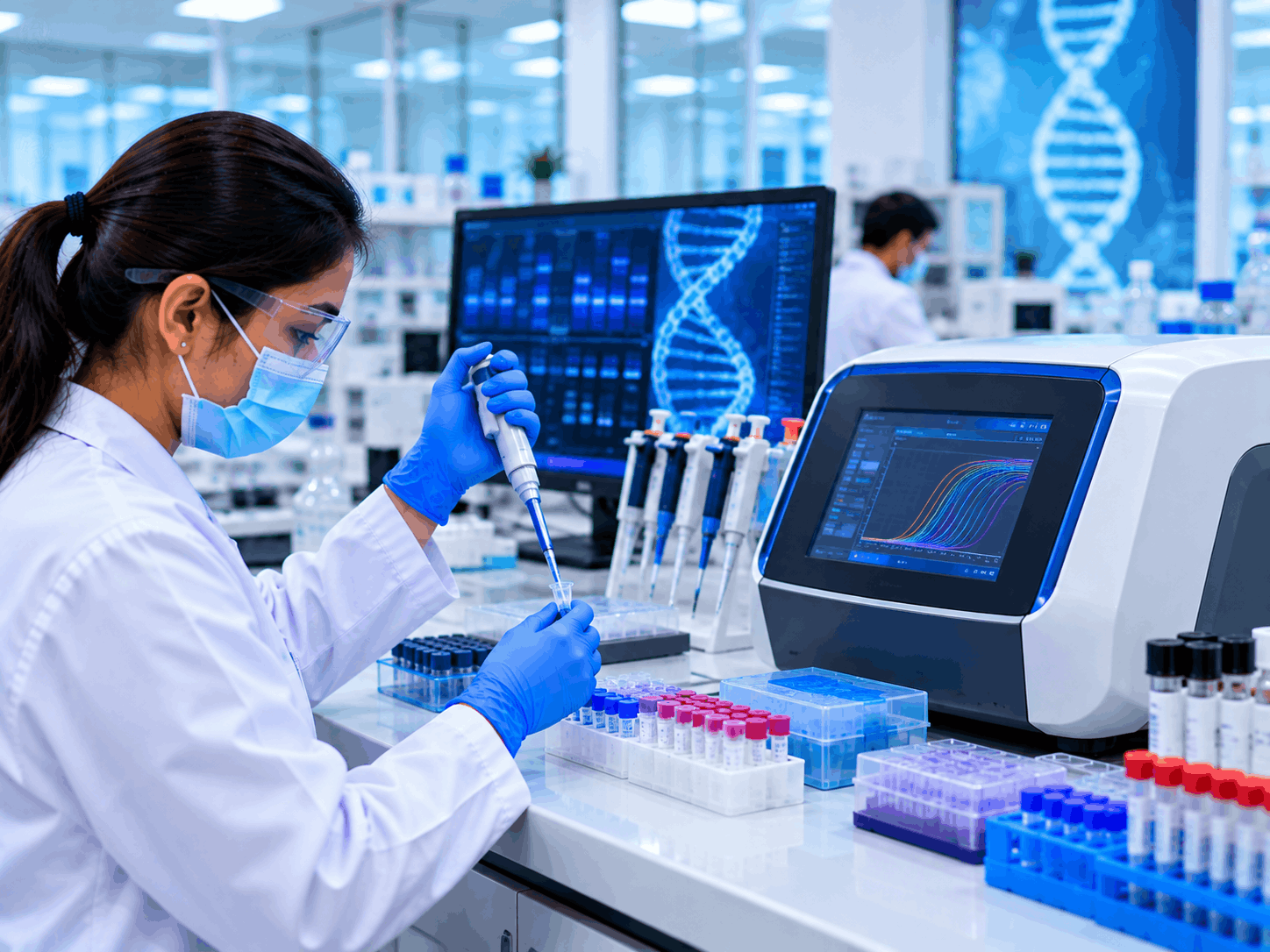
Molecular Diagnostics
Molecular diagnostics examines specific genetic or molecular markers associated with diseases and biological processes.
Key Benefit:
Detects specific genetic material or molecular markers associated with infections and other diseases. Common applications include PCR-based tests for selected infectious agents, molecular pathogen detection and targeted genetic marker analysis. These investigations can provide specific diagnostic information and support clinical decisions when selected according to symptoms and medical history.
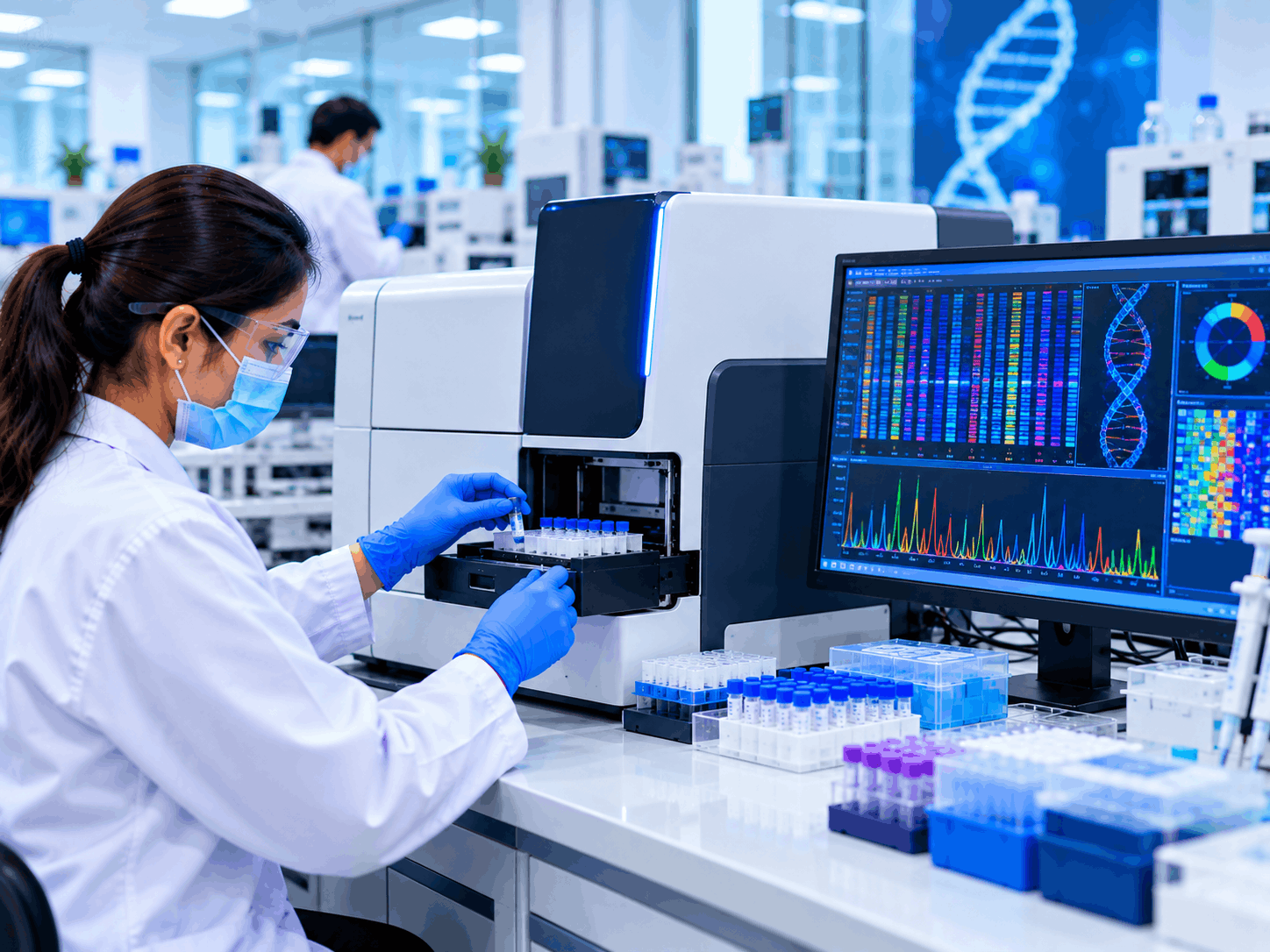
Molecular Genetics
Molecular genetics investigates genetic material to identify specific variants or changes relevant to clinical evaluation.
Key Benefit:
Analyzes DNA to identify genetic variants associated with inherited or selected acquired conditions. Common investigations may include targeted gene testing, mutation analysis and genetic variant testing for specific disorders. These tests can support diagnosis, risk assessment and clinical management when indicated, with interpretation based on the patient's clinical and family history.
Next-Generation Sequencing
Next-Generation Sequencing (NGS) enables large-scale analysis of genetic sequences.
Key Benefit:
Enables large-scale analysis of genetic sequences to investigate multiple genes or genomic regions simultaneously. Common applications include targeted gene panels for selected inherited disorders, hereditary cancer risk assessment and molecular profiling of certain tumours. NGS can provide detailed genetic information when clinically indicated and when the appropriate validated test is available.

Metabolic Genetics
Metabolic genetics focuses on genetic conditions affecting metabolic pathways.
Key Benefit:
Supports the investigation of inherited metabolic disorders that affect the body's ability to process nutrients and essential biochemical substances. Common investigations may include selected amino acid and acylcarnitine profiles, metabolic screening and genetic testing for specific inherited conditions, depending on the available test menu. Results should be interpreted alongside clinical findings and specialist advice.
Onkar Pathology Laboratory offers "Free Sickle Cell" Screening to promote early detection and community health. Contact us to know more.
Looking for Reliable Diagnostic Services in Nagpur?
Home Book Visit
Address
Plot no.197, Medical Chowk, next to haldiram restaurant, Medical Chowk, road, Untkhana, Nagpur, Maharashtra 440009
Call Us
+9198232 89792
Email Us
onkarpathology@gmail.com
